0
-
NO PRODUCT IN CART
Empty Cart : $0.00




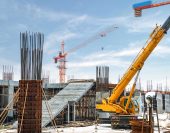





Tem com base a escolha de um empreiteiro e posteriormente o acompanhamento, coordenação e controle da obra do início até a conclusão, de modo a satisfazer a exigência do cliente, a fim de produzir um projeto funcional e financeiramente viável.
Um empreiteiro é atribuído a um projeto de construção, uma vez que o projeto foi concluído ou ainda está em andamento. É escolhido por um processo de seleção com empreiteiros diferentes. O empreiteiro é selecionado usando um dos três critérios de seleção: seleção de baixa oferta, melhor valor ou seleção baseada em qualificações.

In general, there are three sectors of construction: buildings, infrastructure and industrial. Building construction is usually further divided into residential and non-residential (commercial/institutional). Infrastructure is often called heavy/highway, heavy civil or heavy engineering. It includes large public works, dams, bridges, highways, water/wastewater and utility distribution. Industrial includes refineries, process chemical, power generation, mills and manufacturing plants. There are other ways to break the industry into sectors or markets.
In the modern industrialized world, construction usually involves the translation of designs into reality. A formal design team may be assembled to plan the physical proceedings, and to integrate those proceedings with the other parts.
In construction, the authority having jurisdiction (AHJ) is the governmental agency or sub-agency that regulates the construction process. In most cases, this is the municipality where the building is located. However, construction performed for supra-municipal authorities are usually regulated directly by the owning authority, which becomes the AHJ.
Construction is one of the most dangerous occupations in the world, incurring more occupational fatalities than any other sector in both the United States and in the European Union.
In 2009, the fatal occupational injury rate among construction workers in the United States was nearly three times that for all workers. Falls are one of the most common causes of fatal and non-fatal injuries among construction workers. Proper safety equipment such as harnesses and guardrails and procedures such as securing ladders and inspecting scaffolding can curtail the risk of occupational injuries in the construction industry.
I am text block. Click edit button to change this text. Lorem ipsum dolor sit amet, consectetur adipiscing elit. Ut elit tellus, luctus nec ullamcorper mattis, pulvinar dapibus leo.
Lorem ipsum dolor sit amet, consectetuer adipiscing elit, sed diam nonummy nibh euismod tincidunt ut laoreet dolore magna aliquam erat volutpat. Ut wisi enim ad minim veniam,